Completion of Data Collection

March 18 marked the completion of my water quality data. I was able to take data on 8 parameters including: acidity, chlorophyll, temperature, specific conductivity, salinity, total dissolved solids, dissolved oxygen, and turbidity. Here is an example of one of my data sheets which was collected for March 18.

Screen Shot 2016-04-05 at 11.29.56 AM

Aquaculture and Community Garden

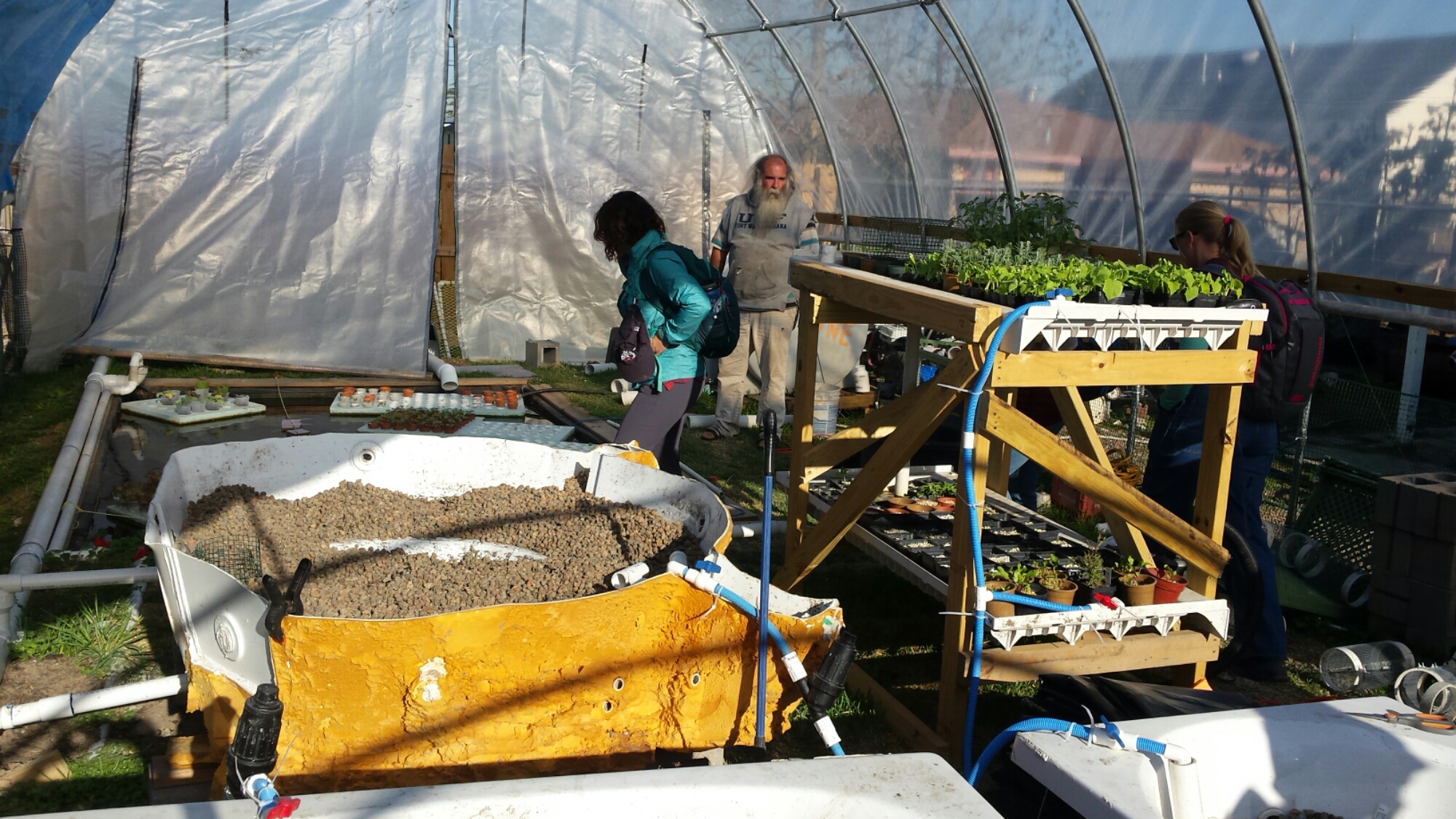
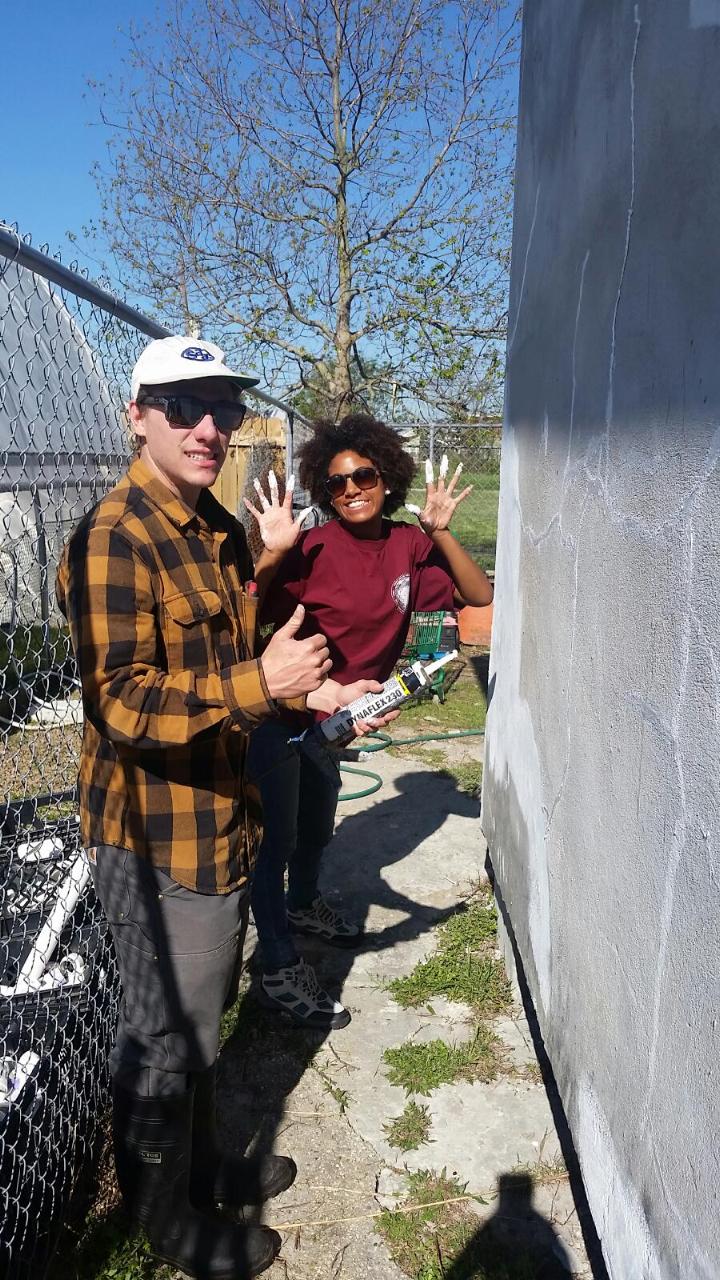
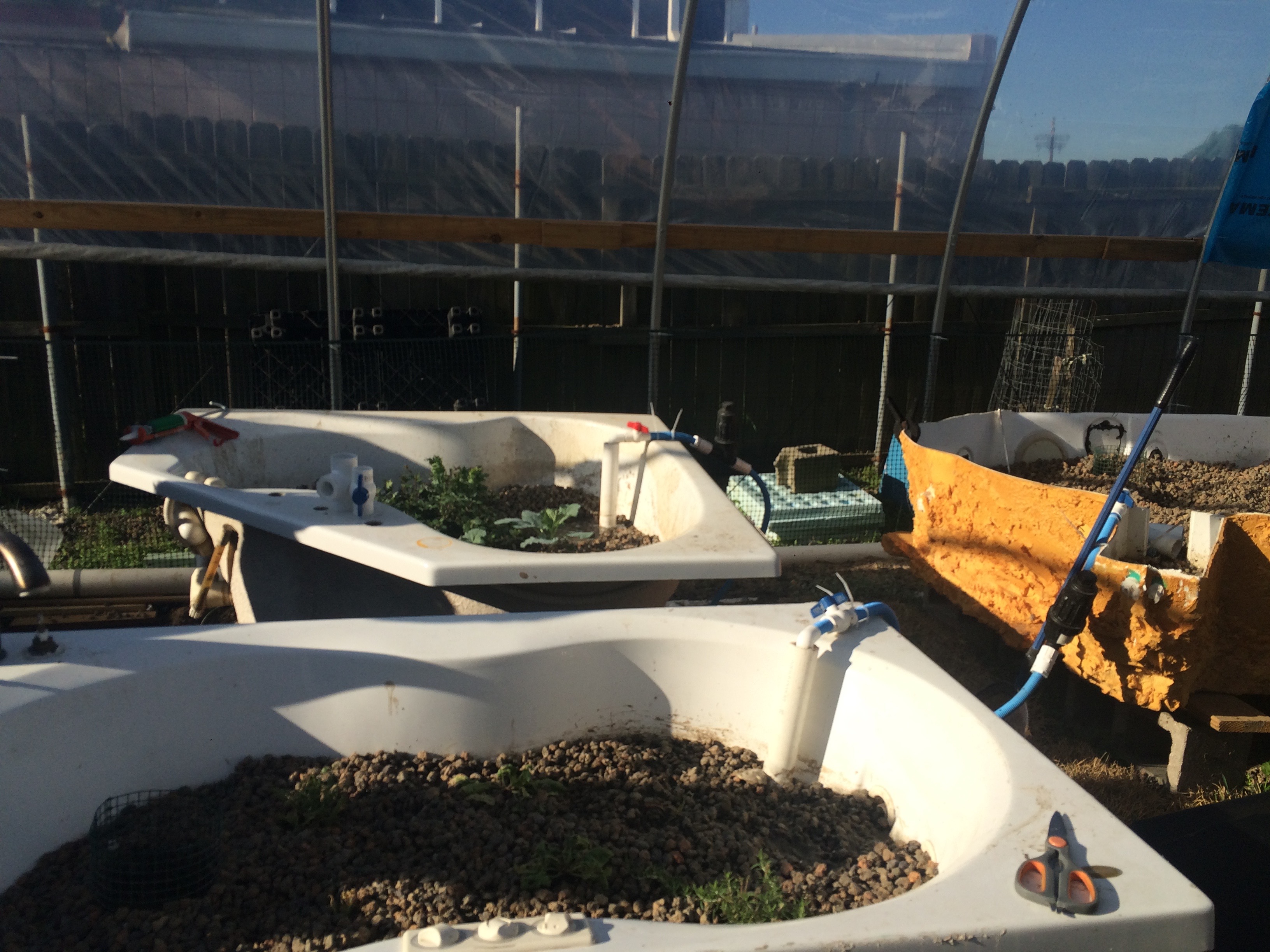
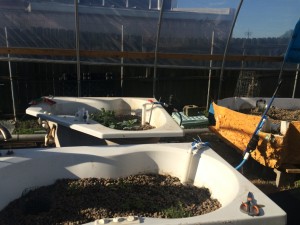
Awsome day helping out at the Capstone Community Garden ! We helped do a bunch of random activities such as prepping the house for paint, weeding, gardening, and help build the aquaculture. The aquaculture uses catfish tank which feeds into the plant tank that takes out all the nutrients and cleans the water; this is brought back into the catfish tank. The food produced goes to the local community that is mostly in poverty.
We also met up with local env lawyers and news reporters that talked about the events surrounding the hurricane.

image

image

image

image

Day six: capstone

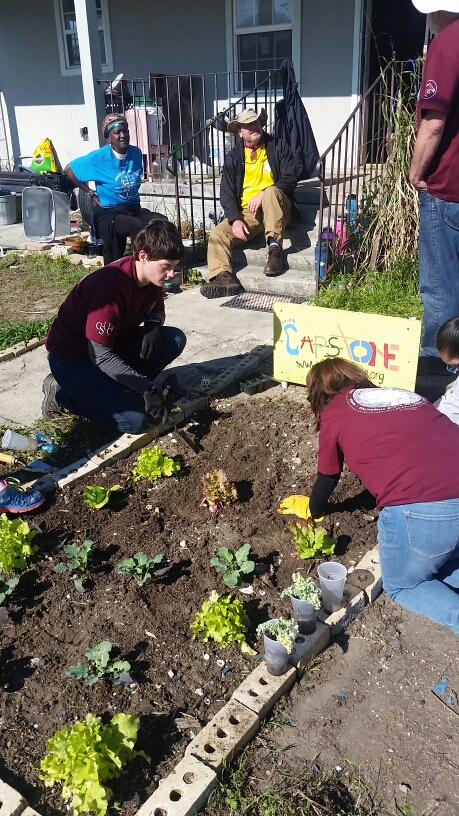
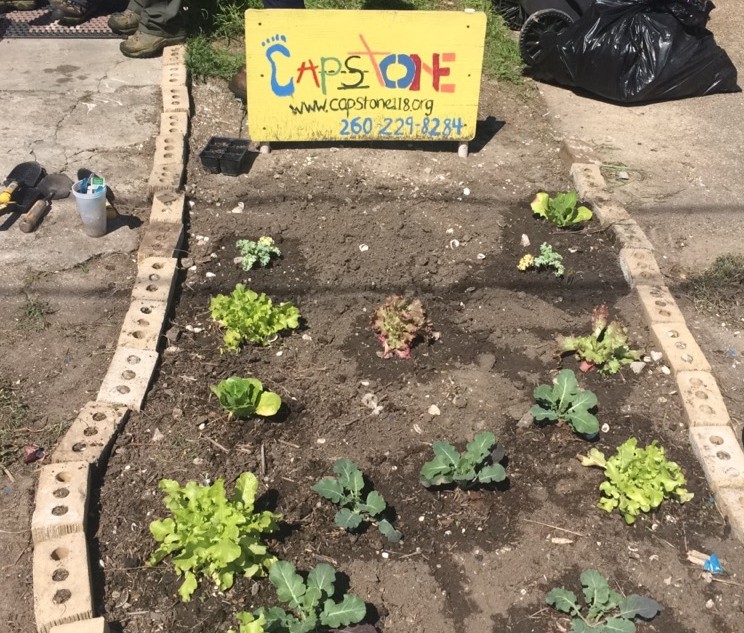
We had a long day of helping the Capstone community through various different activities. I helped first by de-weeding a small plot and planted a few small plants like kale and lettuce. Afterwards we helped with clearing out a plot of land from all of the vegetation that had overgrown. This was challenging because of how thick the weeds had grown in. It took quite a while to complete this task. Once finished we also helped with the cleaning of clay rocks that the the man in charge of the organization would use for his aquaculture system that he had set up the the side of his building.  Once we left Capstone, we went to talk to a lawyer about the pending lawsuit that was filed against the oil and gas business for their part in the damage that they played through their actions. Afterwards, we went to discuss the flooding with an environmental editor to discuss his involvement and experience of hurricane Katrina. It’s very interesting to see and hear how different people’s opinions are of the ‘who, what, when, where, why, and how things happened during that time.

image

image

image

Making a difference 

Today we spent most of our day at the lower ninth ward volunteering for an organization by the name of Capstone.  New Orleans is a food desert, making it very much difficult for low income communities to have access to healthy food. Due to this issue Capstone has adopted several plots in the lower ninth ward and have used them to establish community food gardens that help feed the local community. 


Worked at Capstone today 

Today we did some volunteer work for an organization called Capstone which was created in response to hurricane Katrina and was designed to help less fortunate folks get food. It started as a community garden and has since grown to include an aquaculture system for catfish, bee colonies, chickens, and goats. While some of my classmates worked on a filtration system for the catfish pond, the rest of us worked to clear an empty plot of land that once had a house on it. We mowed the the lot and threw away all of the litter we found, which was a lot. We also used the cut up grass and plants as feed for the goats and bedding for the chicken coop. It was a great pleasure working for this organization and I felt like my work there has legitamelty increased the progress of this organization.  


Learning about NOLA from many perspectives

Today we went to a farm area called Capstone in the Lower Ninth Ward that is a good desert. We helped clear a field for bee hives and also helped build hydroponic catfish ponds. 

We also went to the Central Business District and talked to an Environmental attorney and an environmental reporter. Money is always an issue, no matter where you are!  


Day 6

image

Jay William & I

Today we went to the lower ninth ward and assisted with a program called Capstone.  Capstone is a program that makes food gardens to support the local community.  As a part of our day we were split into a few different groups.  We started off weeding a small garden in the front yard of the house.  I planted a baby head of lettuce. 

image

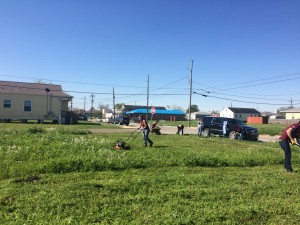
Next, one team was helping to improve the house of the founder David so he can get ready to paint it.  Another team was sent to a lot down the street to mow the lawn (mini forest) and clean the area.  I was with this group and I was one of the people who mowed the lawn.  It was very hard but really fun because it was very satisfying to see the end result.  The last group was a group that everyone ended up helping in the end because they had the duty of washing the clay rocks so they could be put in a filtration system for David’s Aqua Farm.  His Aqua Farm held 200 catfish and helped to support the growth of the plants.  David had two different types of lettuce and kale.

image

After we left Capstone we went into the Central Business District and went to a law firm that discussed a case between 97 oil and gas companies and the SLFPA (Southern Louisiana Flood Protection Agency).  Our last stop was at the NOLA.org news office and we talked to a Pulitzer prize winning journalist who talked about what he deals with on a daily basis in regards to the politics and repercussions of Katrina.

22/3/2016

Heute haben wir für Capstone118.org gearbeitet und es ist ein sehr toll Organisation, dass Gemeinschaftsgärten machen und pflegen. Ich hab für 4 Stunden gemäht und jetzt bin ich so müde. Diese Pause ist nicht die typisch, aber es ist ok, weil ich anbieten mag. Danach sind wir nach die Central Business District gegangen, die mit einer Umwelt Anwältin und einem Journalist über Katrina und dir korrupten Politik geredet haben.

Today’s Visit to Capstone in the Lower 9th Ward

IMG_4456

Posted from Austin, Texas, United States.

Today our group headed to the lower 9th Ward to help a nonprofit called Capstone. IMG_6233
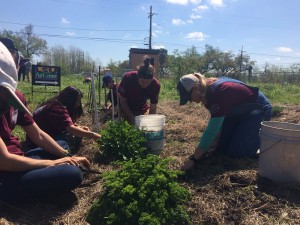
Capstone was started by David Young in 2009 and it is a small non-profit that has turned 30 blighted or vacant lots in the Lower 9th into food gardens and orchards.IMG_6231 The main goal of Capstone is to provide food at no cost to those who need it in the community especially because it is located in a food desert. A food desert is defined as an area s parts of the country vapid of fresh fruit, vegetables, and other healthful whole foods, usually found in impoverished areas. This is largely due to a lack of grocery stores, farmers’ markets, and healthy food providers. Capstone also assists others in the community in starting their own gardens.
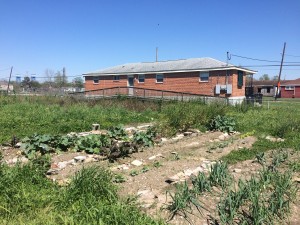
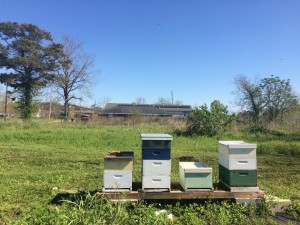
Capstone also has 30 beehives. After noticing a lack of bees in empty lots in 2012, David started keeping bees because there was a need of bees in the Lower 9th. IMG_6219The honey is now being sold at farmers markets all over the city, and you can help Capstone with the bees in the Lower 9th Ward by donating here. The profits made from honey sales helps support the cost of providing food to the community.
Today we mowed a lawn at an adjacent lot across the street, and used the grass cuttings to feed the goats and chickens in the back yard of the Capstone house. Another IMG_6224cool thing about David and the Capstone house was the aquaculture pond he had set up and that we helped finish. The system has a catfish pond in the backyard hooked up to various other tanks where plants are hydroponically grown. Some species that were being grown hydroponically were red okra, cucumbers, two kinds of lettuce, kale, and many others. We helped David put together a hydroponic trough that was set up to the aquaculture system and did so by washing expanded clay and filling the trough with the clay. IMG_6203The whole system was really awesome, and it was amazing how much food could be grown in such a small area. David mentioned that 2600 pounds of organic produce can be grown with this system. Overall it was an amazing day and it felt good to help out a good cause and meet some awesome people such as David and Miss Carol.
– Michaela & Pashalle

3/22

Today we went to Capstone Gardens, I mowed a lawn for a goat feed, pulled weeds and learned the process and set up of aqua-culture. This process was unique and complex but at the same time it all mad sense the fish feed the plants and the plants feed the fish.