Tulane Service Learning
We were joined today by a team of undergrads from Tulane. (Soon to be Dr.) Jayur Mehta’s Introductory to Environmental Science students joined us at Wooslands.
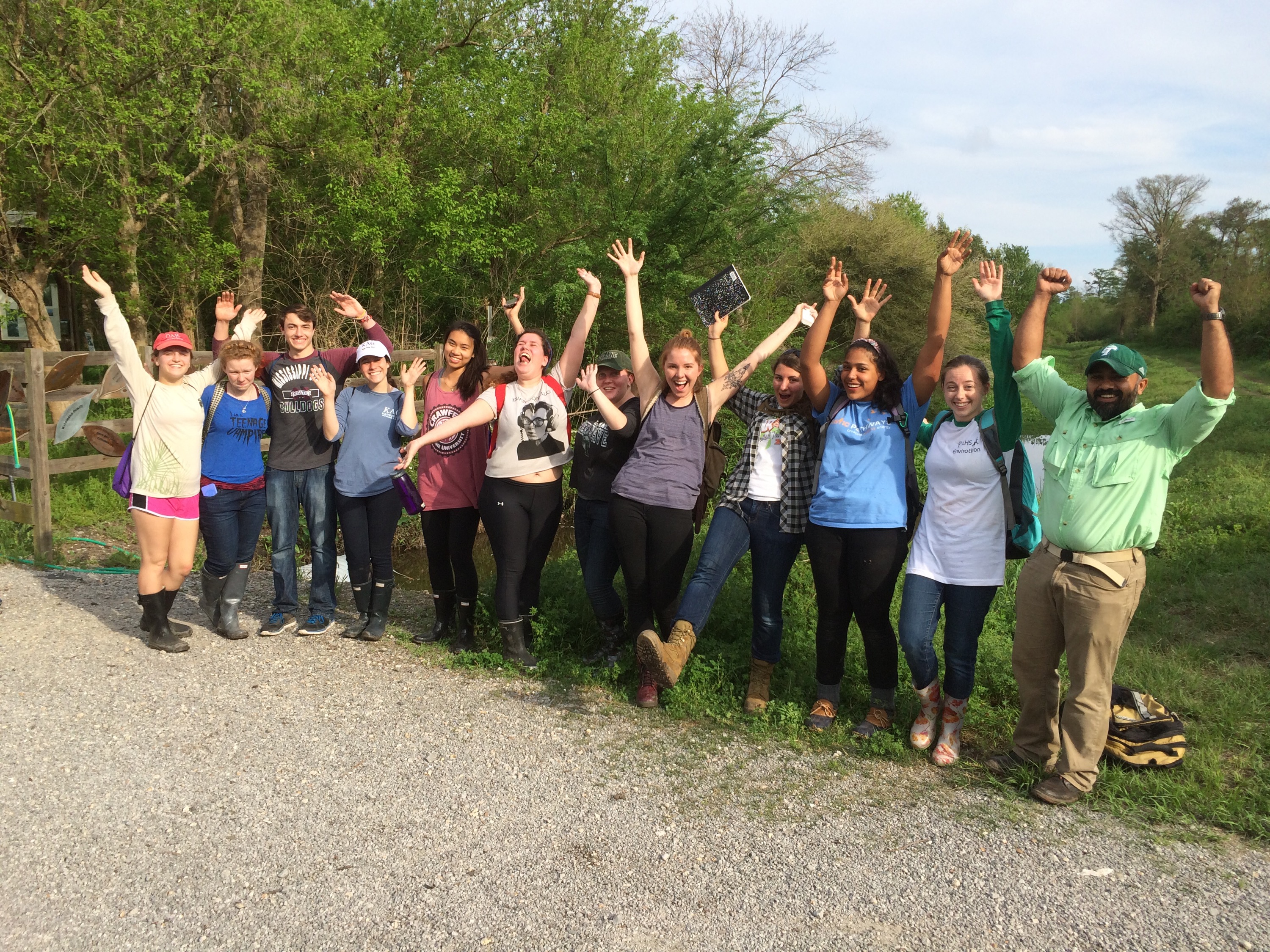
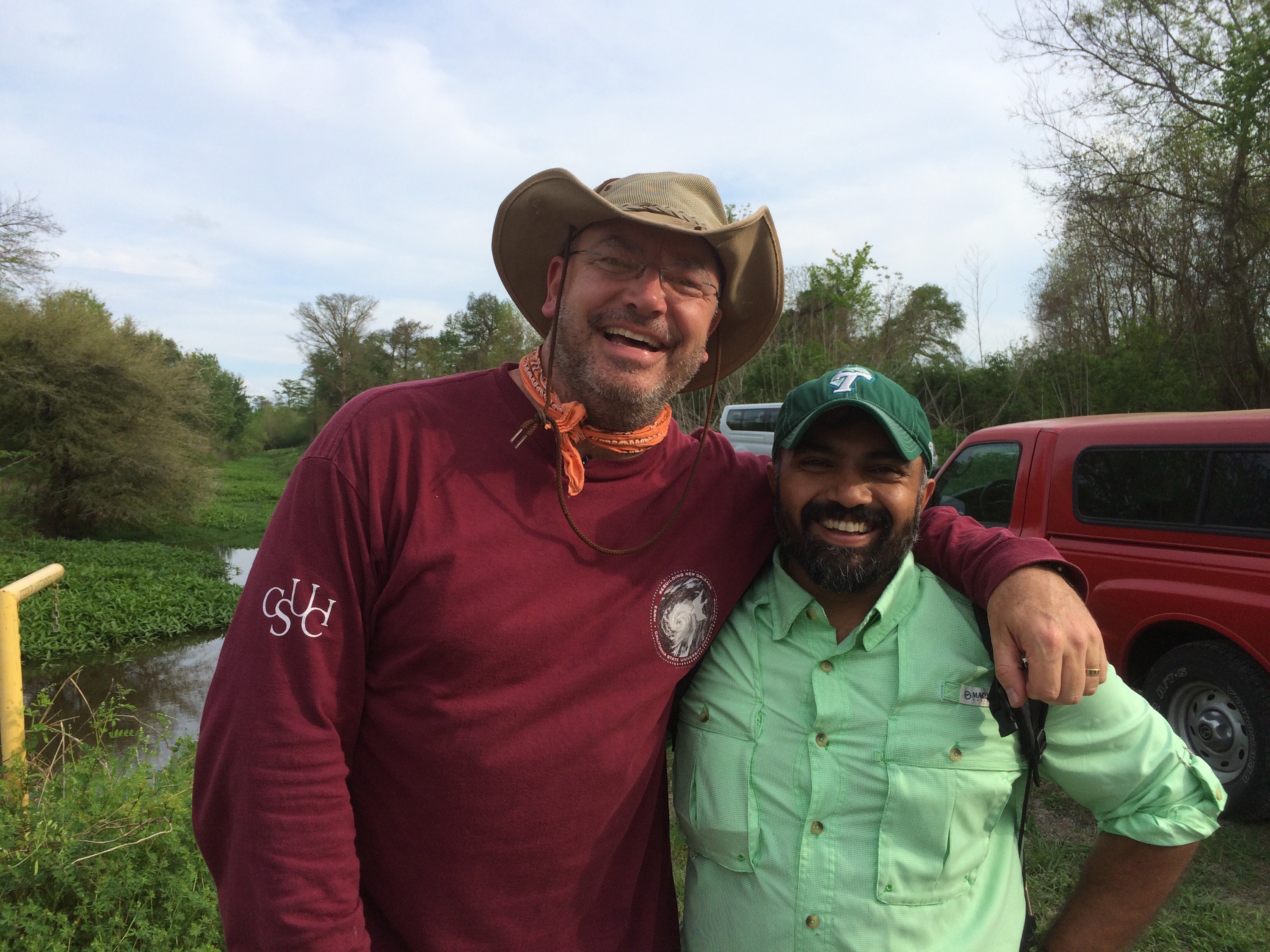
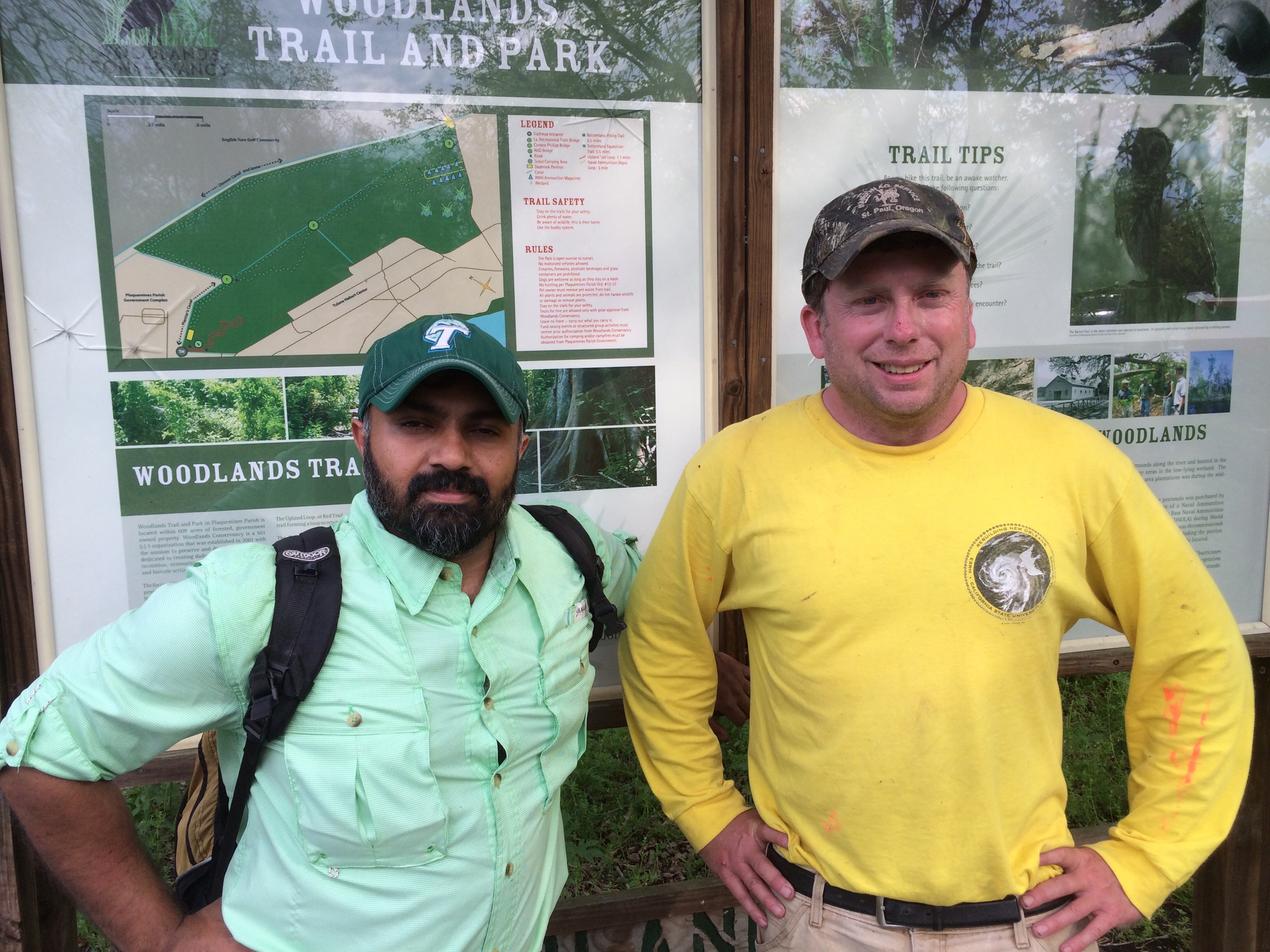

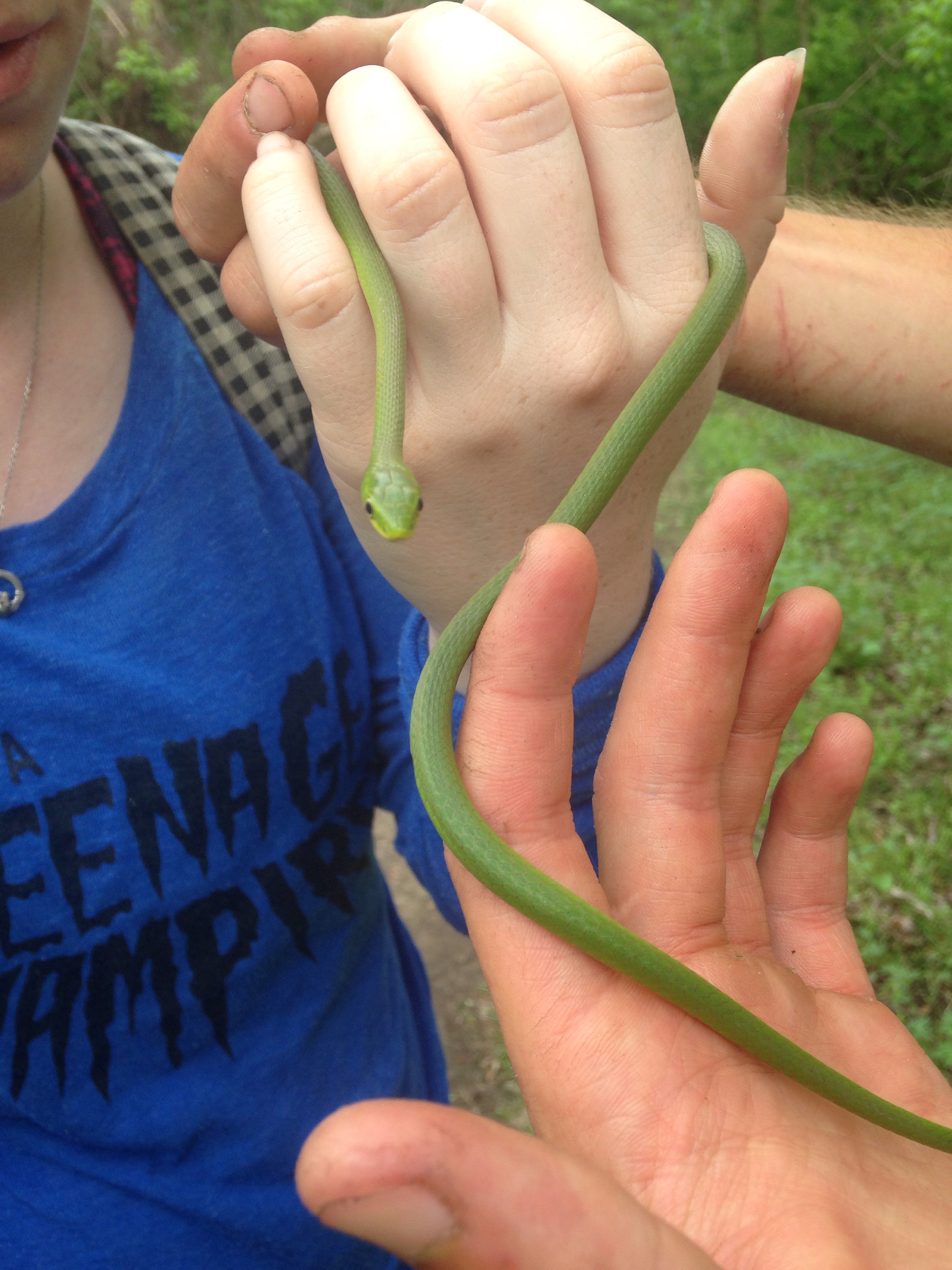
We were joined today by a team of undergrads from Tulane. (Soon to be Dr.) Jayur Mehta’s Introductory to Environmental Science students joined us at Wooslands.
My field research continued at the beginning this month on Santa Rosa Island. This was my last opportunity to record the most current shoreline position on the Island. The day of surveying was completed during neap tide and was very eventful but malnourished sea lion pups put a damper on the day.

Sean Clark identifying a fern species on the island
Most of my time spent on the Island was spent helping my colleague Sean Clark with his plant collection on the island. The plant collection with contribute to 5 herbaria for local universities and botanical gardens. It has been great to learn about and key native as well as non-native species of flora found on the Island. It has been in invaluable experience to learn from Sean as he explores his passion.
The rest of my time was spent in the research stations libarary/GiS lab where I continued to finalize my historic and seasonal shoreline positions. I am now in the analysis phase of my research. Using USGS Digital Shoreline Analysis System I will be able to calculate inter-annual and intra-annual shoreline variation on Santa Rosa. Completing error analysis for historic shorelines will be the next step before analyzing my final data.

Conducting a shoreline survey on Skunk Point, Santa Rosa Island
I never thought I would be a birder growing up but that has all changed since my engagement at CSU Channel Islands and my enrollment in Ornithology. Recently I have had the opportunity to learn how to conduct transects, point counts, bird band and set up and take down mist nets. I was able to work alongside Dr. Linnea Hall, Executive Director and René Corado, Collections Manager for the Western Foundation of Vertebrate Zoology in assisting them in a demonstration for the Ornithology class.

I never thought I would be working with such a rare endemic species as an undergraduate. There is a great challenge in understanding germination conditions of endemic native flora when so little life history has been studied. On a daily basis I enter the CSU Channel Islands greenhouse to check on seed viability under different irrigation and leaf litter treatments. Each tray contains 50 seeds and all are marked with toothpicks for location. Once germinated, I mark them with tape including their day of radical emergence (>3mm) and seed number. So far my preliminary findings suggest that leaf litter is very important for germination (rate and success).

Using a sub meter GPS system with arcmap to locate permanent study sites
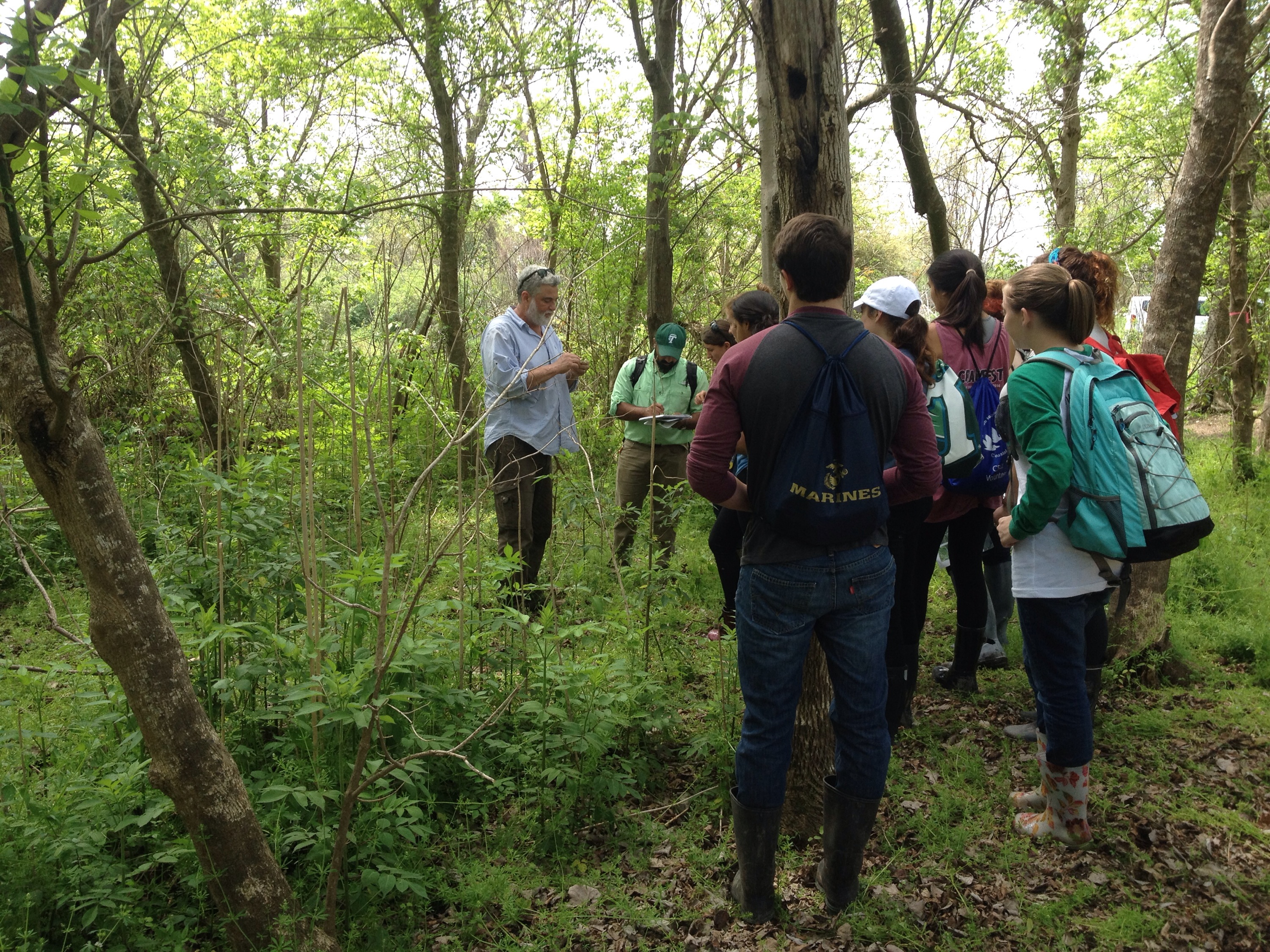
Dr. Huggins teaching Tulane students about native and non native species. Tulane and csuci will be working together today to collect valuable woodland data.
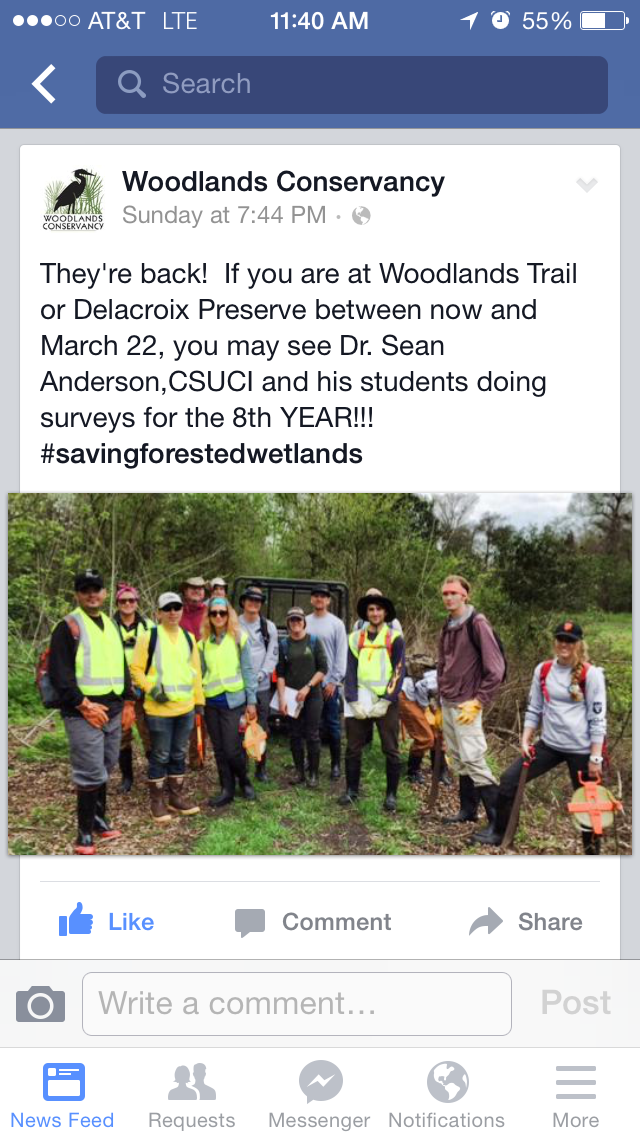
Check out Woodlands Conservancy’s Facebook here. They’ve been posting about the work we’ve been doing at the park as well as other activities around the park such as the ongoing bird banding project and free nature hikes that they offer to the public.

Paul Sanchez rocked the stage at Chikie Wah Wah’s this evening. He was even generous enough to give us each a signed copy of his CD. The highlight of the night was when the fiddle player of the Mulligan Brothers performed with Paul. The performance was so moving!

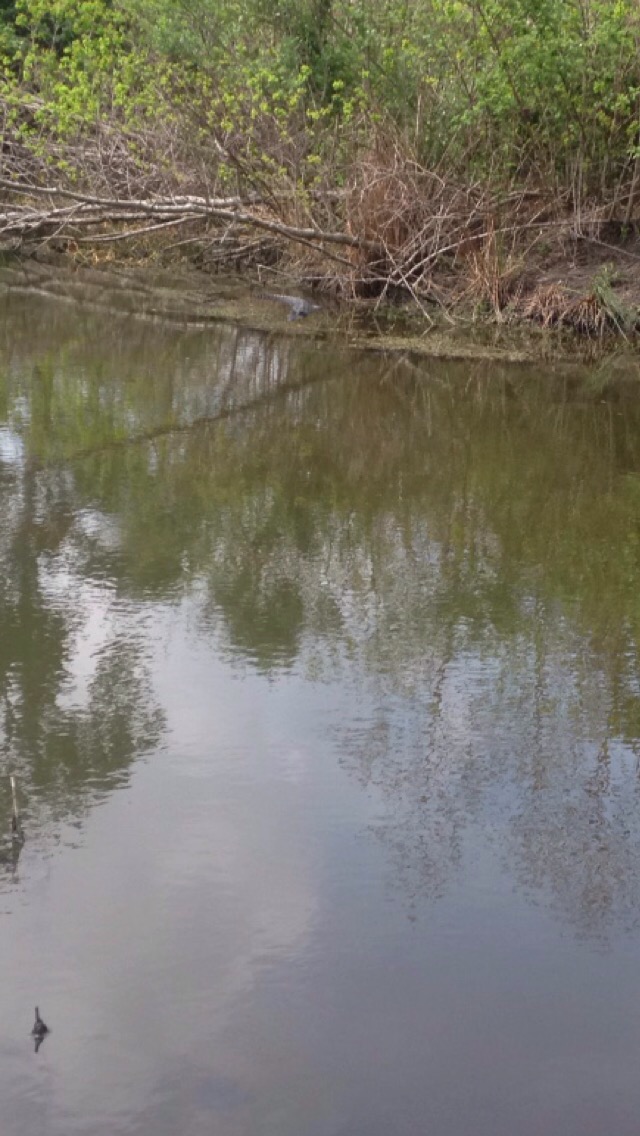
While in the swamp, one can easily loose their sense of direction.
 Scroll to top