National Parks Course

Fun “hippie-esque” image for National parks presentation
(Model: Thomas Wilson)


Presentation on sustainable practices in Yosemite


Shelton Johnson- Buffalo Soldier

Fun “hippie-esque” image for National parks presentation
(Model: Thomas Wilson)
Presentation on sustainable practices in Yosemite
Shelton Johnson- Buffalo Soldier

Black Leatherback Sea Turtle

Costa Rica Native


Monkey

Collecting data on Mangrove plant species

Bat


Humming Bird- Lampornis calolaemus
Family- Trochilidae
Order- Apodiformes


Red Winged Macaw-Ara chloropterus
Family: Psittacidae
Order: Psittaciformes
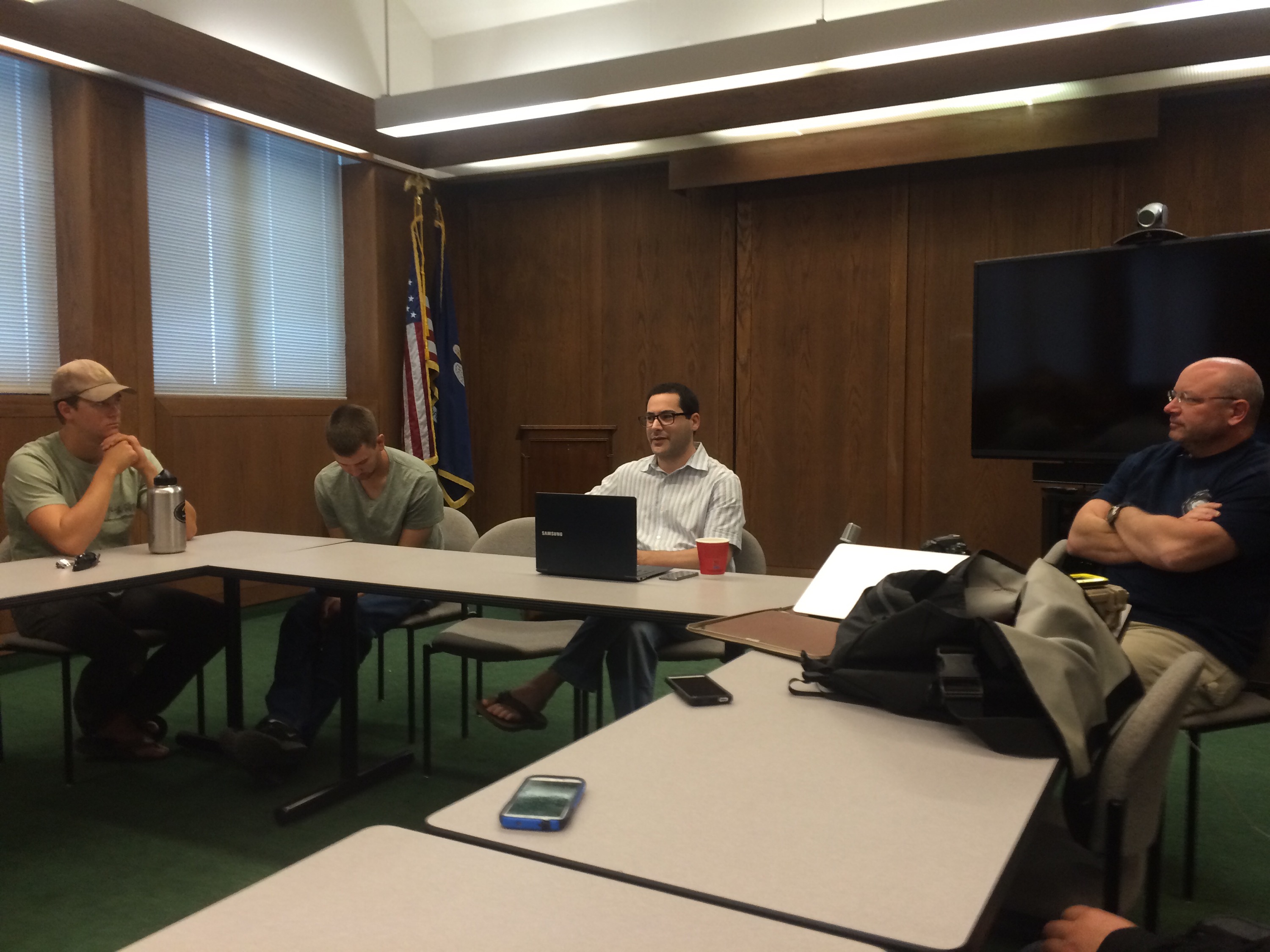
Visited Dr. Blum at Tulane University, discussed the 2010 BP oil spill in greater detail.
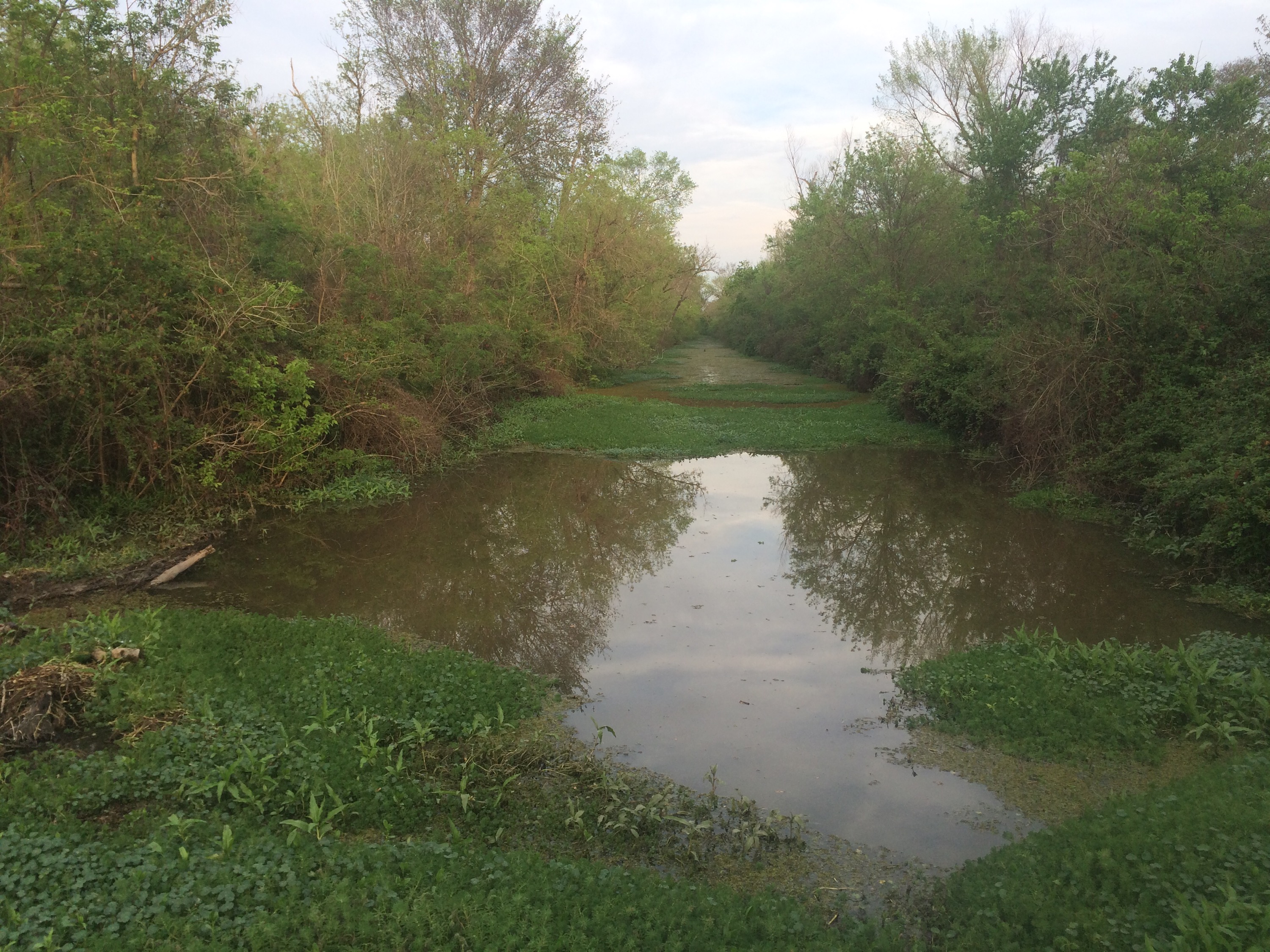
Looking up one of the man made drainage canals brimming with life. Turtles, frogs, snakes, lily pads and much more.
Part of our work saving the bottomland hardwood forests is quantifying just how bad our invasive woody species actually are. In that vein, we established a group of marked (natural recruits) invaders out on our Trail C at Woodlands Trail three years ago and have been looking at their demography each year since. This allows us to estimate the rate at which these species couple take over the canopy if left unchecked.
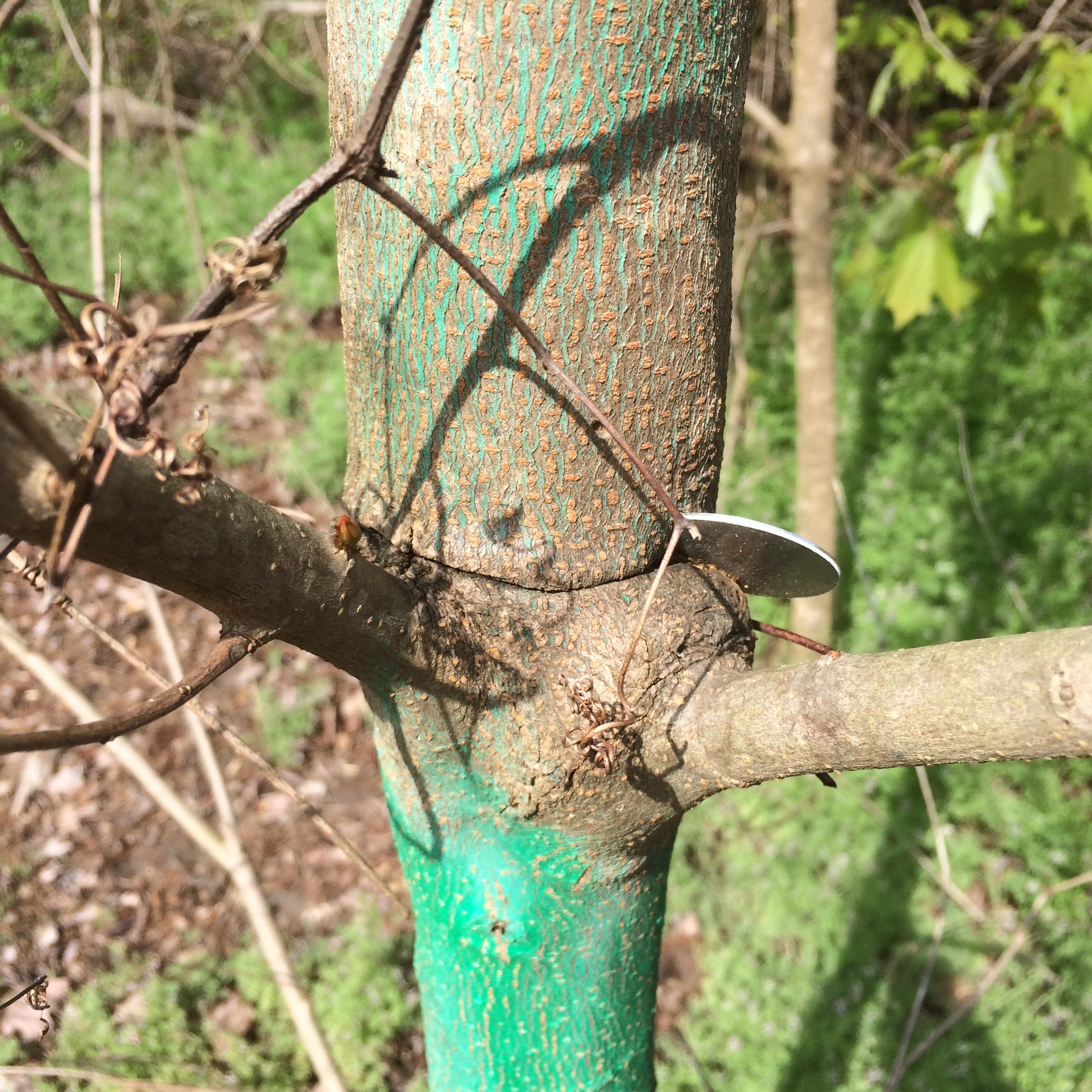
We have marked all of our trees with spray paint and located their exact positions with our sub-meter GPS. Last year we had the brilliant idea to actually put numbered aluminum plant tags on these suckers. The only issue we discovered this season was the growth rate of these trees is such that these wires holding the metals tags to the tree sometimes could not keep up with the phenomenal growth in the girth of these trees.


With Earth Day coming up in a little over a month and World Oceans Day on June 8th, I thought this article posted on the World Oceans Day website was interesting. It includes ideas and tips on teaching environmental education in a religious or faith-based setting, and where religion and the environment intersect.
As for my capstone research I’m really burning the midnight oil on the data collection, but looking to finish it tonight! Cheers!
The bird communities in this study will shift upward in elevation and stay as close to still water as possible. The precipitation will continue to stay at a decreased level, continuing the ongoing drought. The lack of precipitation will also have a decreased effect on the amount of consumable substance, forcing their populations to gradually decline.
The potential consequences of decreased precipitation in Ventura County on bird communities were assessed. Bird species were periodically spotted and recorded with their global positioning (latitude and longitude points). The amount of precipitation was also recorded on a weekly basis. It was found that a decrease in precipitation over an extended period of time has resulted in an upward elevation shift in bird’s natural habitat. The results show that bird species may be of conservation concern in the future, and that management strategies should be prioritized. In some bird species, a mismatch of habitat and bird might occur in the future, which presents a conservation problem for biodiversity in Ventura County.

2 Sc, DBH 2, Height 3. Tell me boys!

These little fellas seem to be quite common, but we cant seem to see a live one.
 Scroll to top