Delirium in Hospitals Overlooked

If you’ve ever visited a family member or friend in the hospital it is an overwhelming emotional scene with the amount of machinery, loud constant noises, code calls over the intercom, and staff going in and out of the room. Not to mention the increase concern you have for your loved one, it can make anyone one in their right mind go delirious for that brief moment. Now imagine being one of those patients, critically ill, in bed most of the day where their physical, emotional, and mental abilities that have become altered. It came to my surprise that over 7 million Americans out of about 36 million of hospital admissions have been affected by cases of delirium each year (Boodman, 2015)

Delirium is a “sudden disruption of consciousness and cognition marked by vivid hallucinations, delusions, and an inability to focus”. It occurs suddenly and typically fluctuates throughout the day. One patient mentioned his delirium being like nightmares, although he knew that he was in the hospital and was sick he could not awaken from this terrible reality even after 3 years of being discharged from the hospital (Anthony Rossum, 2014). Some patients with delirium can be agitated and combative while other are lethargic and inattentive (Boodman, S., 2015), which makes me wonder, how many patients I have worked with in the hospital, whom had these horrible experiences and were silent about it. It wasn’t until recently that delirium was recognized or understood said Dr. Wes Ely from Vanderbilt University. Nearly, two thirds of Ely’s patients from the ICU reported signs of delirium, which led to his research and developed successful protocols in improving care and decreasing delirium in over six well known hospitals. The main interventions he utilized were the following ICU measures, in acronym: “ABCDEF,” which includes: Assessing and managing pain, Both Spontaneous Awakening Trials (SAT) and Spontaneous Breathing Trials (SBT), Choice of Sedation/Analgesia, Delirium Monitoring, Early Mobility and Family engagement which after these interventions studied over 50% of the drugs normally given for sedation were decreased or cut cold turkey, showing a 4 day decrease stay in the ICU, and decreasing mortality rate up to 15%.

If you get a chance, please watch the story of Anthony Russo delirium he explains in the video above, I am a loss of words what he experienced in the ICU. I believe it will help in opening the eyes of what can be reality for these patients we care for everyday, as well as identifying how the long term complications can even occur after their discharge home from the ICU.

The astonishing fact is researchers have estimated that about 40% of delirium cases are preventable, which surprises me that so many people are still experiencing this reality this last year 7 million cases, especially for those elderly whom are at higher risk due to their sensitivity receiving large doses of anti-anxiety drugs and narcotics.

Brain injury is preventable by lowering exposure to potent sedative meds and shortening the duration of delirium with assessment and monitoring with the ABCDEF method. Think about it, it costs more than 143 billion annually to care for such delirium patients due to their longer hospital stays and complications, more is needed to be done in these preventable cases to reach out to those whom needs us most. Educate yourself and follow such articles on assessment tools in detecting delirium in patients.

Here are some examples:

Confusion Assessment Method (CAM)

Delirium Assessment and Management


References:

Boodman, S. (2015). The Overlooked Danger of delirium in Hospitals. The Atlantic Article. Published by Kaiser Public Health News. Retrieved from: http://www.theatlantic.com/health/archive/2015/06/the-overlooked-danger-of-delirium-in-hospitals/394829/

Landro, L. (2011). Informed patient: changing sedation status quo in the ICU.  Health Blog, Wall Street Journal. Retrieved from http://blogs.wsj.com/health/2011/02/15/changing-the-sedation-status-quo-in-the-icu/

Liver Transplant

IMG_20150923_173643191 IMG_20150923_173731729

Technology, Data and trending

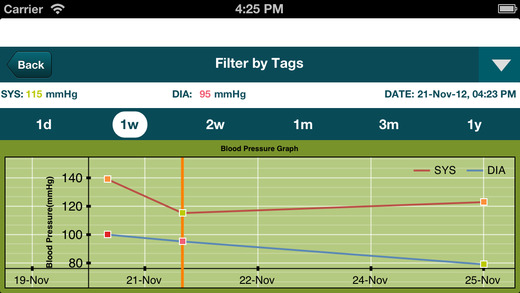
Smart Blood Pressure (SmartBP) BP Tracker

iPhone Screenshot 1iPhone Screenshot 4

This is a free App and what is does is, it keeps track of your blood pressure and allows for convenient storage and trending. The app is straightforward and easy use .This is very helpful if you have hypertension. Especially if you take your blood pressure a couple of times a day. You can keep a log of diet, exercise and medication. You can then plot on your trend graph when you did what. The great thing about this is you can send all the information to your Physician or Clinician. A couple of days before yours scheduled appointment and they can then go over the data and can make decision based on the recorded actual data. Scientist look for trends over time before making a decision as to the effectiveness of an intervention or deciding a different approach. Data is king when making any decision and this app allows you to store and share this data in a professional organized way.


Class board work

IMG_0143IMG_0144IMG_0142IMG_0141IMG_0140IMG_0146IMG_0145-1IMG_0138

Pancreatitis

What is it? inflammations of the pancreas

Who gets it? all ages, mortality rate increases with age, hx of alcohol abuse , hx gallstones, contraction of bacterial or viral disease

When should seek care? when mid epigastric abdominal pain arrises

Where is the location? pancreas, left upper abdomen, behind the stomach

Why does it happen? gallstones in ampulla of Vater obstruct the flow of pancreatic juice, backup of pancreatic juice or bile, alcohol increases pancreatic secretions leading to calculi which causes further obstructions

Treatments? NPO, pain management, managing exocrine and endocrine insufficiency, antbiotics, IV fluids


Liver Cancer

Group Members: Rozelle Nebran, Bernadette Entezami, Duan Nguyen, Kara Mead, Jamie Allison

What is it?

  • Liver Cancer

Who gets it?

  • Chronic alcoholics, Hepatitis B and C, exposure to chemical toxins, cigarette smokers, toxic molds

When should you seek care?

  • When you experience continuous dull ache in right upper quadrant, epigastrium, or your back
  • Unexplained weight loss
  • Anorexia
  • Loss of strength
  • Anemia

Where (specific organ)?

  • Liver

Why does it happen?

  • combination of lifestyle, genetic factors, and environmental exposures

Treatment 

  • Surgical resection
  • Radiation therapy
  • Chemotherapy
  • Percutaneous biliary drainage
  • Liver transplant
  • Lobectomy
  • Local Ablation


Delirium in the ICU

Delirium, a sudden onset and fluctuating cause of mental status often occurs in critical ill patients hospitalized in the ICU.  Memory and language difficulty, disorientation, paranoid ideas are part of delirium with an increase in morbidity and mortality in the elderly   (Svenningsen & Tonnesen, 2011).  ICU delirium can be divided in hyperactive delirium with symptoms such as restlessness, aggression, and psychomotor hyperactivity.  Hypoactive delirium portrays symptoms such as lethargic, and decreased psychomotor responds.  Mixed delirium consist out of hyper-and hypoactive delirium.  A study was performed in three ICU’s in Denmark with the goal to identify the correlation of delirium regarding analgesics, sedatives, opiods and age.  Intubated and non-intubated patients participated in the study.  In this particular study a correlation was detected between delirium and the length of stay in the ICU and an increase in mortality was observed in patients who died in the ICU with delirium.  40% of the patients in the ICU developed delirium. The usage of Fentanyl as an analgesic occurred to show also an increase in delirium.  In order to reduce the incidence of delirium in the elderly it is important to manage cognitive impairment, immobility, and sleep deprivation, visual and hearing impairment.

Delirium is frightening experience for the patient and needs to be addressed immediately. It is interesting to read 40% of patients in ICU develop delirium, a concerning number.  The article does not elaborate too much in the prevention of delirium which is disappointing.  As nurses we are the patient’s advocates and have a unique role in the prevention and detection of delirium.


References

(Svenningsen H Tonnesen E 2011 Delirium incidents in three Danish intensive care units)Svenningsen, H., & Tonnesen, E. (2011). Delirium incidents in three Danish intensive care units. Nursing in critical care, 16(4), 186-192.


The ABCDE approach to ICU Delirium

Prior to discussion assignment, I was not aware of the condition know as ICU delirium. Watching the videos and researching articles gave me a better understanding of this condition associated with negative outcomes.

In the article, Preventing Delirium in the Intensive Care Unit, delirium in the ICU is characterized as acute organ dysfunction, which then manifest to both consciousness and cognitive disturbances and affects approximately 60-80% of ventilated patients and 20-50% on non-ventilated patients (Brummel & Girard, 2013). Risk factors for delirium in the ICU setting are sedatives, immobility, and sleep disturbances. Since, delirium is a multifactorial, a bundled approach known as the ABCDE approach has been proposed in preventing and reducing the duration of delirium (Brummel & Girard, 2013). This approach utilizes the Awakening and Breathing Coordination, Choice of sedatives, Delirium management, and Early mobility and Exercise components. Implementing these components has with positive improvements of outcomes, which include a decrease in the duration of mechanical ventilation, shorter length of stay in the ICU and hospital, and prevented adverse effects associated with critical illnesses, which can lead to delirium (Brummel & Girard, 2013).

Awakening and Breathing Coordination:
This component utilizes the ABC trial. This includes daily awakening trails that are coordinated with daily spontaneous breathing trials. This strategy has been shown to decrease the duration of brain dysfunction, patients were extubated 3 days sooner, discharged 4 days earlier from the hospital then the patients who received usual care, and a 14 % decrease in mortality rates (Brummel & Girard, 2013).

Choice of sedative:
There were three trials (MENDS, SEDCOM, MIDEX) which showed positive results when utilizing dexmedetomidine as a sedative as oppose to benzodiazepines, versed, and lorazepam. There was a reduction in the development of delirium, and a shorter duration in mechanical ventilation (Brummel & Girard, 2013).

Delirium monitoring and management:
It is important that all clinicians in the ICU setting utilize the CAM-ICU or ICDSC screening tools to monitor their patients. These screening tools assist with alerting the clinicians with identifying reversible and treatable risk factors (e.g. sleep deprivation, dehydration, immobility, visual and hearing impairment) associated with delirium (Brummel & Girard, 2013).

Early Mobility and Exercise:
Early physical rehabilitation resulted in positive outcomes for patients. One study showed that patients who received PT/OT therapy within the 72-hours of being intubated had a reduction in delirium, were discharged from the ICU 2 days earlier and discharged from the hospital 3.5 days earlier than patients receiving usual care (Brummel & Girard, 2013).

Even though, I do not work in the ICU and am not familiar with this common condition, I agree with the strategies this article suggests for the treatment and prevention of Delirium. The ABCDE approach utilizes evidence-based practice strategies that have shown improvement of outcomes associated with critical illness and ICU delirium. I think it is important for researchers to continue to find evidence based strategies that can prevent ICU delirium in patients. Also, it is important for clinicians to identify both modifiable and non modifiable risk factors that can be associated with ICU delirium on admission and include the patient’s family in the care of the patient and listen to their concerns and what they have to say about the patient’s history. Other than the patient, they are the best resource.

Reference:
Brummel, N. E., & Girard, T. D. (2013). Preventing delirium in the intensive care unit. Critical Care Clinics, 29(1), 51–65. Retrieved from: http://www.ncbi.nlm.nih.gov/articles/PMC3508697/pdf/nihms418369.pdf

Straddling the Chasm: Rethinking Faculty Support

Today I had the honor and pleasure to share a keynote presentation at the NUTN Annual Conference (#NUTN15) in Savannah, GA. NUTN (National University Technology Network) originally started in 1982 as a group of representatives from institutions delivering distance learning through tele-courses. This was my first time attending a NUTN conference and it was a fantastic experience! There were a few familiar faces in my audience (Alex Pickett, John Sener, Christi Ford, Deb Adair) and I have enjoyed making many new connections.

Prior to my session, I attended a presentation by MJ Bishop and Anne Keehn, who shared the results of a national survey about the impact of Teaching and Learning Centers. Their findings show a significant trend underway in higher education organizations that connects Centers of Teaching and Learning with efforts to bring about organizational change. In short, the findings underscore the pertinent role that the intersection of learning and technology play in organizational transformation.

While the findings weren’t surprising to me, it was refreshing to see this trend highlighted and recognized as a significant shift. During the presentation, I recalled a memory from one of my previous positions in which I suggested renaming the faculty support group I was a part of to a name that included “learning” and “innovations.” My idea was returned with a cold, blank stare and the comment, “That sounds like a group that would get eliminated in the next budget cut.” It’s good to see times are changing in higher education.

But the changes that Teaching and Learning Centers are tasked with are deep-rooted organizational changes, which conflict with organizational cultures and histories. The most talented TLC staff cannot bring about this type of change on their own.  In her presentation Dr. Keehn shared that organizations spend $9B annually on organizational change consultants.  She wanted to break that statistic out for her study to understand how much of that spending occurs in higher education — but, apparently, data is not collected for higher education because no money is spent on it (citation needed). This leaves me with a far greater understanding and appreciation of the conflict and tensions experienced by so many who are in roles that connect learning and technology.

The presentation I shared today was a new for me. It was an exciting opportunity to try to bring together several ideas I’ve been contemplating with findings from my dissertation study and another recent study I conducted with Jill Leafstedt and Jaimie Hoffman. The title of my presentation was Straddling the Chasm: Rethinking Faculty Support (slide deck also embedded above) and its focus was on investigating the gap between the support needs of higher education faculty and the types and formats of support that are provided today. For example, 80% of higher education faculty are contingent employees (part-time or graduate assistants); yet, at 9 out of 10 institutions faculty who teach online are required to come to campus for online professional development. Sitting in a room with peers listening to a conversation about effective online teaching strategies does not immerse faculty in the online learning experience, which is the only way to have a person learn the potential and power of an excellent online class. But that is not the only problem with this model. Many faculty who are part-time teach at multiple institutions, some which may be located hundreds or thousands of miles from campus. This is just one disconnect in motion today with faculty support. Our models of faculty support are out-dated remnants of machine-age thinking and we are missing rich opportunities for collaborative solutions. We must begin to understand each higher education institutions as members of a complex ecosystem. Each is an organic system that is in a continuous state of change and very much affected by its exterior situation. 

Another of my goals for the presentation was to encourage my audience members to relate to how it feels to a faculty member at the various stages in the diffusion of innovation. I showed the great graphic from Phil Hill and Michael Feldstein that illustrates faculty on both sides of ed tech chasm and had each person in the room identify themselves with one of the groups illustrated in the image. Then we discussed how it feels to “straddle the chasm.” And to support this experience, I referenced the powerful comment George Station shared with me on Google+ about his own experience straddling the chasm (see slide 3 of my prez). There were many nods shared during the presentation.

This is an ongoing conversation and research topic for me and it’s one I feel very committed to. I truly believe that our social era is rich with opportunities to transform the traditional model of faculty support and, I also believe, that faculty who are early adopters and innovators are those who will lead this change and encourage others to jump across the chasm.  I feel proud and excited about the my team at CSU Channel Islands is doing as we strive to support both sides of the chasm with online professional development and CI Keys.

Many thanks to the NUTN Board for inviting me to speak in beautiful Savannah today! I will enjoy my evening ghost tour before I head back to California. Brooohahahaha!!

Sponsorship and How I learned Literacy


When I was three years old I was introduced to a book shelf that was placed in between my room and the hall. There both of my parents showed me books and began teaching me how to read bit by bit. They kind of wanted me to learn on my own so I would pick up the books and explore them. Before bed my dad would read to my brother and I and that would be my initial memory of literacy and the connection with me in the beginning learning to read.

Deborah Brandt brings up a valid point about sponsors, whom my very first ones were my parents. “In whatever form, sponsors deliver the ideological freight that must be borne for access to what they have. Of course, the sponsored can be oblivious to or innovative with this ideological burden,” (1). I am sure that my parent’s intentions were to pass on every piece of knowledge that they possibly could. Books were not the only tool to learn, tape cassettes, television, and radio were also implemented (but I will not discuss radio).

While listening to tape cassettes I listened to two different ones. One that had basic nursery rhyme and the other was the country group, Alabama. My brother and I would sing together “Oh, I believe there are Angels among us.” We really sang this over and over again as we analyzed the lyrical content. I had always believed in a God whereas my brother did not. I always tried to convince him that there was a God but I had no proof so I could not convince him. I always tried to form arguments with him in one way or another.

Besides tape cassettes I would watch television. The first cartoon that I can remember watching at home as a child was Power Rangers. It was not really my favorite show, my little brother always had control over the remote. I literally watched every boy cartoon my whole childhood because I never did gain that power over the remote like I had wanted. In watching Power Rangers, I liked analyzing the transformation and liked the idea of machines and that they were powerful. Besides that I didn’t gain anything much. Perhaps it reiterated colors for me. “Yellow Ranger,” “Pink Ranger,” and the list went on. It taught me about the different colors associated with sex. Girls were pink or yellow while boys were green or blue.

Although I had learned through television and tape cassettes, I would listen to books intermittently. One of the first books that my dad use to read to us was “How Spider got a tiny Waste,” The story is a folklore based on the spider, his two sons Kwaku, and Kuma. Spider never does any labor but he still finds a way to eat. He has two neighbors one to the East and one to the West. He experiences six separate endeavors as there are six different journeys he goes on.

In one of the series, Spider’s two neighbors were both having feasts at the same time. He gave his two sons rope that he had tied around his waist and they were to pull on it when the feast was ready. Both had pulled at the same time resulting in Spiders thin waist. “When they found him his waist was thinner than a needle! Spider never grew fat again,” (3). This resulted due to spider’s greed. If he had just stuck to one feast, than he wouldn’t have a thin waist today.

Another Author I enjoyed as a child was Dr. Sues. I had read probably all of his books over and over. I enjoyed the illustrations, rhymes, and creativity. “So all we could do was Sit! Sit! Sit! And we did not like it. Not one little bit,” (2). I would read the book to my brother. I remember reading it to him on a rainy day and staring out the window as the boy and girl did in the illustration. When I had read it I had imagined that my brother and I were in the story. I remember him sitting next to me listening waiting to hear what would happen next. I loved the image of the fish bowl, the boy and girl staring out of the window, and the cat balancing objects all the way up to the ceiling including an umbrella. I loved to read, I so I did it all of the time.

With my passion for reading I can relate to Murray. “In writing this paper I have begun to understand, better than I have before, that all writing, in many different ways, is autobiographical, and that our autobiography grows from a few deep taproots that are set down into our past in childhood,” (4). He is referring to our learned dialect in which impacts our writing style as well as thoughts and ideas. With that being said, I am no more than a product of my environment, which could be really good or really bad.

Speaking of product of environment, my first CD after tape cassettes was the Spice Girls CD produced through Virgin Records. By this time I had already known quite a bit of literacy but I had begun learning my viewpoint about the world through music and specifically about love through the album.

Listening to music as a child was interesting. When it came to sex I did not know what I was singing about but I simply still sang along. I remember singing “Spice up your life” and “Somebody, somebody” as well as a different artist I was in favor of, Bewitched.

“Hey there sitting in the tree, Mommy wants you to come for tea…” Is another tune I remember singing. That one I understood better than the ones with explicit innuendos. I really felt that singing songs about sex at this age was harmless because how could it affect me if I was unaware? I began learning new words through music and by time I was in High School I began looking the words up that in which I did not understand.

After I was through with High School I liked to read books by Danielle Steele. I do not read much of her work now but being a young woman it was interesting getting into a mature woman’s mind. I could use her as a mother and see what she had to say. She mostly talked about writing, her characters sometimes attended college courses, and love. So that was always interesting to get an inside peek into what I could learn about sex. Or the writing industry and other lifestyle factors that reflect herself through her characters.

Besides reading for fun, a lot of my reading has been in College. Not to say that I did not do an extensive amount of reading growing up, I was always reading. Usually books that were assigned or text through other classes outside of English.

In college though, I do remember reading “The Tortilla Curtain,” it is about the insensitive tendency that the upper-class may have towards the lower class. The characters directly clash with one another and in the end the lower-class man ends up saving the upper-class man’s life. So the book is very enriching and gives a multi-perspective scenario. It is definitely a book that I would recommend anyone to read due to the creative adventures, perspectives, and meaningfulness that the characters relational aggression and compassion reach in the end.

Other books I have read stem from a biological background, at one point I was a biology major so I can talk a lot about germs and diseases. A book that I read out of class was “The Greatest Show on Earth,” by Richard Dawkins. Dawkins has received a lot of criticism because he is not afraid of criticizing others.

Rather than poke fun at creationists, his work should primarily involve his argument rather, that evolution exists. I do not believe Darwin is specifically making an attack towards creationists, but rather explaining that a little open minded-ness would benefit a person that lacks a strong biological background in order to openly learn and understand evolution. It is a one minded perspective, but still makes for a good read once he gets past the controversial topic he delves into detail about artificial selection and how evolution works.


Works Cited

  1. Deborah Brandt. College Composition and Communication. Vol. 49, No. 2 (May, 1998), pp. 165-185
  2. Dr. Sues. The Cat in the Hat. Theodor Geisel. (1957). P. 1-14. http://www.mfwi.edu/MFWI/Recordings/cat%20in%20the%20hat.pdf.
  3. Joyce Cooper Arkhurst. Jerry Pinkney. How Spider Got a Thin Waist. Little, Brown Books for Young Readers; Reissue edition (November 2, 1992) P. 291-293. http://foothillenglish8.pbworks.com/f/How+Spider+Got+a+Thin+Waist.pdf.
  4. Murray, Donald M.. “All Writing Is Autobiography.” College Composition and Communication. 42.1 (1991): 66-74. Jstor. Web. 29 May 2015. http://www.jstor.org/stable/357540